
We provide penetration testing.
That tells me what you deliver. I still have to work out why I should buy it.
We help businesses find the security weaknesses that could disrupt operations and decide what to fix first.
Now we have something to discuss.
The work might involve the same security consultants, the same testing methods, and the same report. But the customer is being invited into a different conversation.
One starts with a shopping list. The other starts with a business problem.
That distinction matters in how a company markets its services.
Your description gives buyers a way to judge you.
Describe your service as penetration testing and buyers will naturally compare testing packages.
They will ask how many systems you cover, how many days you need, what the report includes, and how much it costs…
You gave them that frame. They are using it.
Explain how your service helps identify weaknesses that could interrupt their operations, and you create room for more useful questions.
Which systems does the business depend on?
What would happen if they became unavailable?
Which weaknesses need immediate attention, and which can wait?
The quality of the testing still matters. So does the accuracy of the report. But now those capabilities have a commercial purpose the buyer can understand.
The same applies to cybersecurity products.
“We provide DNS filtering” names a category.
Explaining where it fits in the customer’s existing protection, which gaps it addresses, and what it helps their team control gives that category a reason to be considered.
A buyer needs to carry that explanation into another meeting. Help them sound informed when they get there.
Better framing needs something behind it.
There is a lazy version of this…
Replace “penetration testing” with “cyber resilience”. Add “strategic” somewhere. Increase the font size.
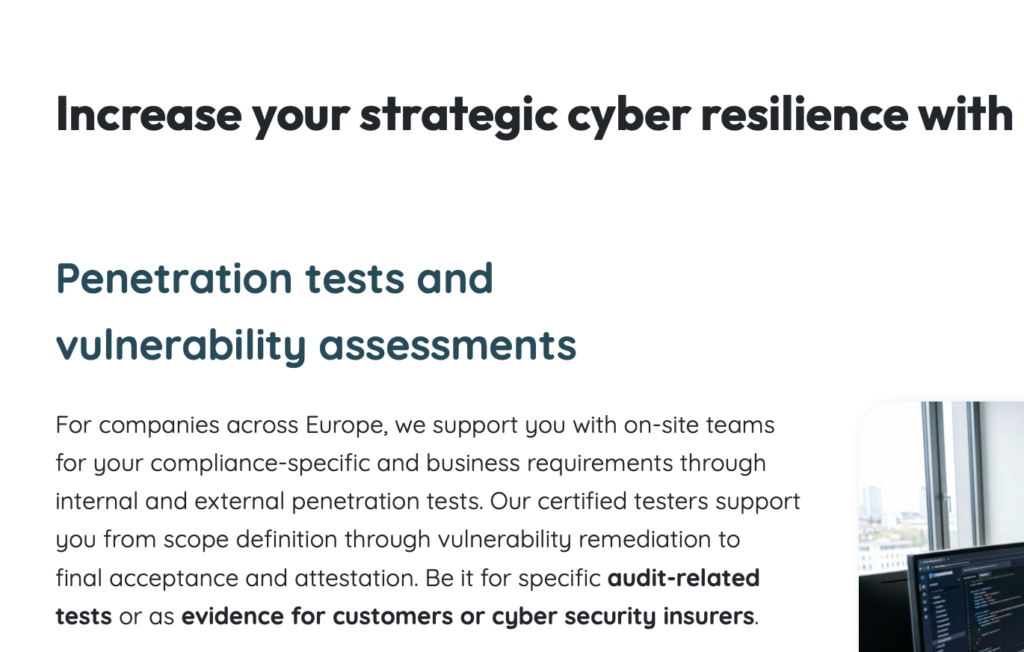
Same uncertainty, more syllables.
Useful framing makes the service easier to understand. It connects what you do to something the customer already cares about, with a believable explanation of how the work contributes.
Even “we reduce cyber risk” needs a little more work.
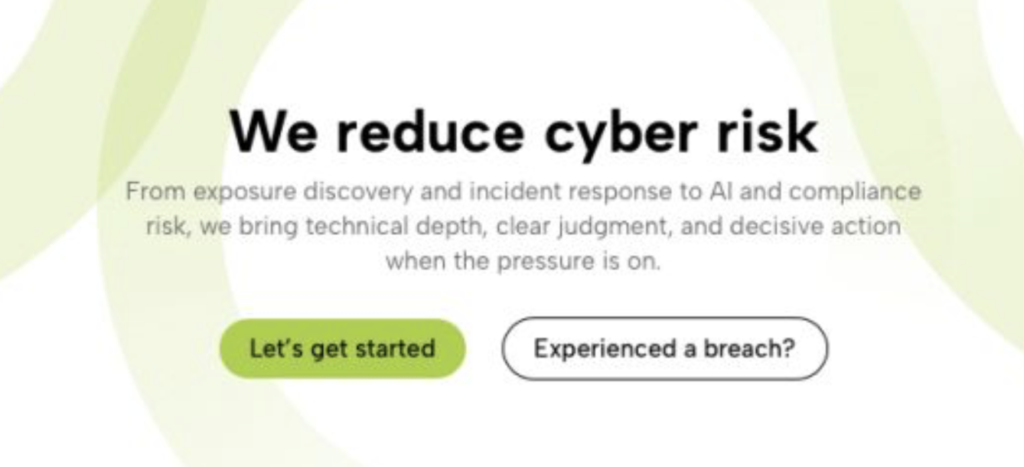
Risk to what?
For which kind of business?
Which weaknesses can you help address?
Why is your team equipped to help?
Those answers give your positioning substance. They also help a suitable customer recognise themselves in the offer.
You are not trying to sound valuable to everyone. You are making your value clear to the people who have the problem you solve.
Carry the idea through the whole offer.
Once you frame a service around a business result, the rest of your marketing should support that explanation.
Your case studies should show the problem, what changed, and the evidence.
Your proposal should explain why the recommended work matters.
Your sales conversation should investigate the customer’s situation before arriving at a package.
Otherwise, the homepage promises a commercial partner and the proposal delivers a price per testing day. The buyer notices.
This is the mindset behind the wording.
A company needs to understand the business meaning of its services well enough to explain it simply, then deliver in a way that supports that explanation.
Customers should not have to translate your capabilities into reasons to buy.
That part is your job.
Leave a Reply